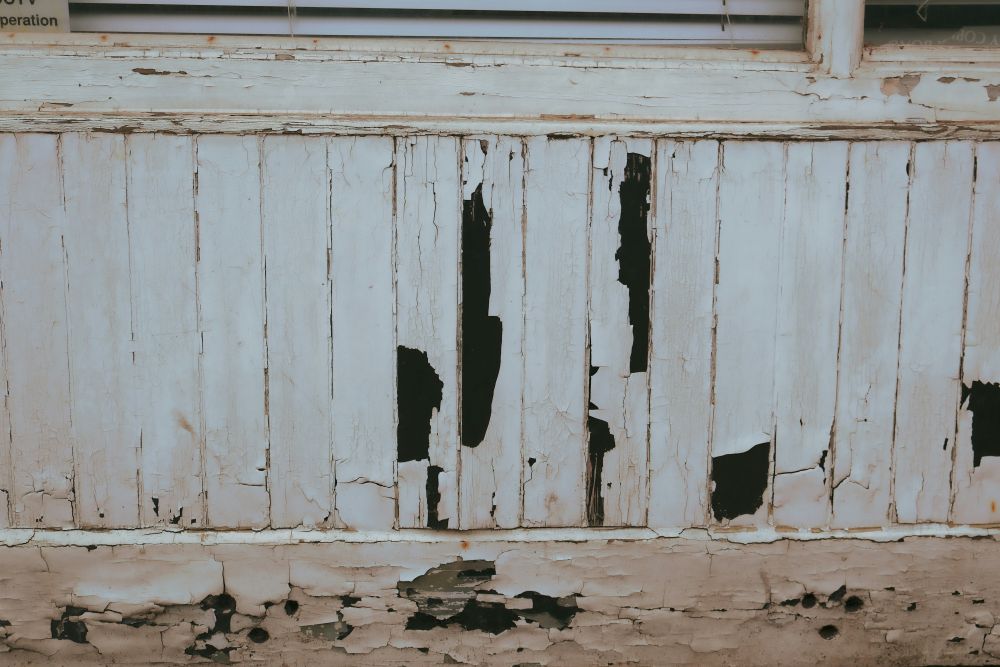
Can You Sell a House With Termite Damage in Florida? Repair, Disclosure, and As-Is Options
Yes. A house with termite damage can still be sold in Florida.
Finding termites does not automatically make a property unsellable, and homeowners do not necessarily have to complete every repair before exploring a sale.
What matters is understanding exactly what you are dealing with.
There is an important difference between:
- Evidence of a previous infestation
- An active termite infestation
- Minor localized wood damage
- Significant structural damage
- Conditions that may encourage future termite activity
Those situations can affect buyers, inspections, repairs, negotiations, financing, and ultimately what the property is worth.
Florida takes wood-destroying organisms seriously enough that the Florida Department of Agriculture and Consumer Services regulates pest-control operators and maintains an official Wood-Destroying Organisms Inspection Report used by licensed professionals. Florida law also regulates who may perform WDO inspections for real-estate transactions.
At Freedom Cash Home Buyers, we work with Florida homeowners who need to sell properties with difficult repair issues. A homeowner can request an as-is offer without first treating termites, repairing damaged wood, replacing flooring, opening walls, or preparing the property for traditional showings.
The important question is not simply:
“Can I sell a house with termites?”
It is:
“Does treating and repairing the termite damage produce a better net outcome than selling the property in its current condition?”
Key takeaway: Termite damage does not automatically prevent a Florida home sale. But sellers should understand whether an infestation is active, determine the extent of any damage, disclose known material issues appropriately, and compare the cost of treatment and repair with the realistic value of selling as-is.
Why Termites Are Such an Important Issue in Florida
Florida's climate provides favorable conditions for multiple termite species.
The Florida Department of Agriculture and Consumer Services specifically provides consumer resources for:
- Dampwood termites
- Drywood termites
- Subterranean termites
- Formosan termites
- Asian subterranean termites
- Conehead termites
The state also regulates termite treatment and inspections under Florida's Structural Pest Control Act.
For sellers, however, identifying the species is only part of the problem.
What usually matters most during a sale is:
- Is there currently an active infestation?
- How much physical damage exists?
- Has the property previously been treated?
- Is there documentation of treatment?
- Has structural wood been affected?
- Will the buyer request a specialized inspection?
- Will the condition affect the buyer's willingness or ability to close?
A few signs of historical activity can create a very different transaction than widespread structural damage.
What Is a WDO Inspection?
WDO means wood-destroying organism.
A WDO inspection is more specialized than a typical general home inspection.
Florida Realtors notes that a general home inspector may identify evidence suggesting wood-destroying organisms but may not be qualified to determine whether an active infestation exists or establish the extent of present or past damage. A specialist may therefore be recommended when evidence of termites or another WDO is found.
Florida's official WDO inspection system can address evidence involving organisms such as termites and other wood-destroying pests.
A qualified inspector may look for:
- Visible termite activity
- Evidence of previous activity
- Damaged wood
- Mud tubes
- Exit holes
- Frass or termite droppings
- Conditions conducive to infestation
- Evidence of prior treatment
The purpose is not simply to answer “does the house have termites?”
The inspection can help establish whether there is evidence of a wood-destroying organism and where visible evidence or damage exists.
Is a WDO Inspection Required to Sell a House in Florida?
Not every Florida home sale automatically requires a WDO inspection.
However, a buyer may request one as part of the inspection process, and certain transactions or financing situations may create additional inspection requirements.
Florida Realtors notes that residential contracts generally provide buyers an opportunity to inspect the property, and a WDO inspection may be recommended when a general inspection raises concerns about termite activity.
That means a seller should not assume that termites will remain unnoticed simply because there was no termite inspection before listing.
Possible discovery points include:
- Seller disclosures
- General home inspection
- Specialized WDO inspection
- Contractor evaluation
- Appraisal observations
- Repair estimates
- Visible evidence during a showing
Discovering the issue before listing can give the seller more control over the decision.
Can You Sell a House With Active Termites?
Potentially, yes.
An active infestation does not automatically prevent ownership from transferring.
But it can affect the transaction significantly.
A traditional buyer might:
- Request treatment before closing
- Request a repair credit
- Reduce their offer
- Request further structural inspection
- Cancel under an applicable inspection contingency
- Become concerned about hidden damage
The response depends on the contract, inspection findings, buyer, property condition, and financing.
The seller could also choose to sell the property in its current condition to a buyer willing to assume the treatment and repair work.
That is why discovering active termites does not necessarily mean:
“Spend whatever it costs to fix everything before selling.”
The better approach is to understand the numbers first.
Do You Have to Treat Termites Before Selling?
Not automatically in every transaction.
Whether treatment must occur before closing may depend on:
- The purchase contract
- Buyer requirements
- Inspection findings
- Financing requirements
- Property condition
- Negotiations between the parties
A seller may voluntarily choose to treat the property because doing so can increase buyer confidence.
Another seller may decide that treatment plus repairing the existing damage is too expensive relative to the likely improvement in sale proceeds.
An as-is buyer may be willing to evaluate the property with the infestation or damage already reflected in the offer.
Selling as-is, however, does not mean pretending the termite problem does not exist.
Do You Have to Disclose Termite Damage in Florida?
This is an area where sellers should be cautious.
Florida Realtors summarizes Florida's seller-disclosure rule based on the Florida Supreme Court's Johnson v. Davis decision: a residential seller who knows of facts that materially affect the property's value, are not readily observable, and are not already known to the buyer has a duty to disclose those facts.
Significant known termite activity or hidden termite damage could potentially fall into that broader material-fact analysis depending on the circumstances.
That does not mean every old termite treatment automatically creates the same disclosure requirement.
The relevant facts could include:
- Whether the infestation is active
- Whether significant damage remains
- Whether repairs were completed
- Whether the buyer can readily observe the condition
- What the seller actually knows
- What treatment documentation exists
Sellers who are uncertain about their disclosure obligations should discuss the situation with a qualified Florida real estate attorney or licensed real estate professional.
Freedom Cash Home Buyers does not provide legal advice.
What If the Termites Were Treated Years Ago?
Previous termite treatment does not automatically mean a house has a current problem.
Many Florida properties have termite-treatment histories.
If treatment occurred previously, gather any available:
- Treatment contracts
- Inspection reports
- Repair invoices
- Warranty information
- Renewal records
- Pest-control company documentation
These records may help distinguish a historical issue from an active infestation.
A buyer may still request a current inspection.
That is especially likely if there is visible evidence of old damage or conditions conducive to termites.
What Does Termite Damage Look Like?
Termites can damage wood from the inside, so the full extent of the problem is not always obvious from the surface.
Possible signs include:
- Hollow-sounding wood
- Damaged framing
- Sagging floors
- Damaged baseboards
- Mud tubes
- Bubbling or damaged finishes
- Termite droppings
- Damaged door or window frames
- Wood that breaks or crumbles easily
- Visible termite wings or swarmers
Some signs may also have causes unrelated to termites.
A professional inspection is more reliable than trying to diagnose the condition based on photographs or internet examples.
When Does Termite Damage Become Structural?
Termites feed on cellulose-containing materials, including wood.
Over time, significant damage can affect components such as:
- Wall framing
- Floor joists
- Roof framing
- Subfloor
- Support members
- Beams
- Door and window framing
- Exterior structural wood
The presence of termites does not automatically mean the house has major structural damage.
The extent of the infestation and the amount of wood affected matter.
When significant structural components are involved, a pest inspection may need to be supplemented by evaluation from an appropriate contractor, engineer, or other qualified professional.
If the termite problem has already progressed into substantial structural deterioration, see Freedom's guide to selling a home with major structural issues.
How Much Can Termite Damage Cost to Repair?
There is no dependable universal number.
The cost depends on two different expenses:
Termite Treatment
Treatment costs may depend on:
- Type of termite
- Size of infestation
- Size and construction of the property
- Treatment method
- Accessibility
Physical Repairs
Repair costs depend on how much material has been damaged.
A relatively contained problem may involve:
- Trim
- Baseboards
- Drywall access
- Localized wood replacement
A serious case could involve:
- Floor joists
- Framing
- Subfloor
- Roof members
- Large portions of damaged wood
That is why sellers should not make the decision based solely on a pest-treatment quote.
Killing the termites and repairing what the termites damaged are two separate costs.
Should You Repair Termite Damage Before Selling?
Sometimes.
Repairs may be worthwhile when:
- The infestation is limited
- Treatment is affordable
- Damage is localized
- The home is otherwise market-ready
- Repairs can be completed quickly
- The work could materially improve buyer confidence
- The property has enough equity to justify the project
- A repaired condition will meaningfully improve the likely sale outcome
Repairs may be less attractive when:
- Damage is extensive
- Structural framing is involved
- Repair costs are uncertain
- Walls or floors must be opened to determine the extent
- The property needs many other repairs
- The owner does not have available cash
- The house is vacant
- The seller needs to move quickly
- Repairs are unlikely to improve net proceeds enough
Freedom's guide Is It Worth Making Repairs Before Selling a House? explains how to evaluate repairs based on the net outcome, rather than simply asking whether the repair might increase the selling price.
The Hidden Risk of Starting Termite Repairs
One challenge with termite damage is uncertainty.
What looks like a relatively small repair from the outside can become larger once contractors begin removing material.
For example:
- Damaged flooring is removed.
- Subfloor damage is discovered.
- The subfloor is opened.
- Damaged joists are found.
- Additional framing must be inspected.
The original $4,000 project may suddenly look very different.
This does not mean repairs should never be attempted.
It means sellers should include scope uncertainty in the decision.
A contractor estimate based only on visible damage may not represent the final cost.
Can Termite Damage Cause a Buyer to Back Out?
Yes, depending on the purchase agreement and inspection terms.
Termites can create multiple buyer concerns at once:
- Treatment expense
- Unknown structural damage
- Future recurrence
- Additional inspections
- Repair delays
- Financing concerns
- Negotiation over who pays
Florida Realtors specifically notes that a general inspector who sees evidence of WDO activity may recommend a specialized inspection. That means a termite issue can escalate from a routine inspection finding into a more substantial transaction issue.
If a deal has already been jeopardized by inspection findings, see Freedom's guide to why buyers back out after a home inspection.
If the entire transaction has already failed, review what happens when a home sale falls through.
Can Termite Damage Affect a Mortgage?
It can.
The problem is not simply that termites exist.
The bigger concern is whether the property has damage serious enough to affect:
- Structural condition
- Habitability
- Appraisal
- Required repairs
- Insurance
- The lender's collateral
A financed buyer has more parties involved than a cash buyer.
The transaction may include:
- Buyer
- Seller
- Inspector
- Pest-control professional
- Appraiser
- Mortgage lender
- Insurance company
- Title company
Any significant property-condition problem can create another point where the transaction becomes delayed or conditional.
A cash buyer removes the buyer's traditional mortgage approval from the process, though title and closing requirements still apply.
Can Termite Damage Make a House Uninsurable?
Not every termite problem makes a home uninsurable.
However, significant unrepaired damage may contribute to broader condition concerns, particularly if structural systems are compromised or the property has multiple deferred-maintenance issues.
Insurance is a separate question from whether the house can legally be sold.
If the property is already facing major insurance eligibility problems because of its roof, electrical system, plumbing, or overall condition, see Freedom's guide to selling an uninsurable house in Florida.
Can You Sell the House As-Is With Termite Damage?
Yes, an as-is sale may be an option.
Selling as-is generally means the seller is not agreeing to complete repairs before closing.
The buyer evaluates the property in its current condition.
For a termite-damaged house, that could mean the buyer assumes responsibility for:
- Pest treatment
- Removing damaged materials
- Structural repairs
- Contractor coordination
- Future monitoring
The offer will typically account for those responsibilities.
An as-is sale does not mean known material defects should be concealed.
It simply changes who is expected to handle the repairs.
Freedom also has a broader guide explaining what selling a house as-is means.
Repair First vs. Sell As-Is
The correct comparison is based on:
sale proceeds minus treatment, repairs, selling expenses, carrying costs, and risk.
Freedom's Net Proceeds Test provides a framework for making that comparison.
Example of the Repair Decision
Imagine a homeowner believes the property could sell for $375,000 after treatment and repairs.
A simplified comparison might look like this:
At first glance, repairing the house may still look attractive.
But now suppose contractors open the walls and discover another $20,000 of damaged framing.
The economics change.
That is why a homeowner with meaningful termite damage should ideally compare:
- A realistic repair estimate
- A realistic traditional-sale net
- An as-is offer
before committing money to the property.
How Does a Cash Buyer Evaluate Termite Damage?
A direct buyer will generally consider the termite problem as part of the overall property condition.
Factors can include:
- Whether termites appear active
- Visible extent of damage
- WDO inspection findings
- Structural repair needs
- Treatment cost
- Uncertainty about hidden damage
- Property value
- Location
- Other deferred maintenance
- Holding expenses
- Future resale costs
- Market risk
The damage does not simply disappear from the calculation because the buyer pays cash.
Instead, the buyer assumes more responsibility for resolving it.
Freedom explains the broader process in how cash home buyers calculate their offers.
What Should You Do If an Inspection Finds Termites While the House Is Under Contract?
Do not panic, and do not immediately authorize expensive repairs without understanding the purchase agreement.
Start by determining:
- What did the inspection actually find?
- Is there active infestation?
- Is the evidence historical?
- Is structural damage present?
- What does the contract require?
- What is the buyer requesting?
- What does treatment cost?
- What do repairs cost?
- Does the buyer still intend to proceed?
Possible outcomes may include:
- Seller treatment
- Seller repairs
- Buyer accepts condition
- Purchase-price adjustment
- Seller credit
- Further inspection
- Contract cancellation where permitted
The purchase contract controls much of what happens next.
Consult your real estate professional or attorney if there is uncertainty about the parties' obligations.
What If a Previous Buyer Already Backed Out?
A failed contract does not mean the house is permanently unsellable.
But it gives you useful information.
If termites caused the buyer to cancel, determine whether:
- The infestation is active
- Damage was quantified
- The buyer's concern was treatment
- Structural damage was discovered
- Financing became difficult
- The buyer simply became uncomfortable with uncertainty
You can then decide whether to:
- Treat the property
- Repair it
- Adjust the price
- Relist with clearer information
- Sell as-is
- Compare a direct cash offer
Do not automatically repair everything simply because one buyer walked away.
The better question is whether repairs create enough additional value to justify their cost.
What Documents Should Sellers Gather?
Useful documentation may include:
- Previous WDO reports
- Current WDO inspection
- Treatment invoices
- Pest-control contracts
- Warranty or renewal information
- Contractor repair estimates
- Completed repair invoices
- Structural reports, where applicable
- Previous home-inspection reports
- Photographs of damage
- Records showing repaired areas
Documentation can help distinguish between:
- An untreated active problem
- A treated infestation with remaining damage
- A fully repaired historical issue
That distinction matters to buyers.
Should You Get a WDO Inspection Before Listing?
It may be worth considering if you already have reason to suspect termites.
A pre-listing inspection can reduce uncertainty by helping you understand what buyers may discover later.
It can be especially useful when:
- You have seen termite evidence
- There was previous treatment
- Visible wood damage exists
- The house has been vacant
- Previous buyers raised concerns
- You are deciding whether to repair before selling
Florida's Department of Agriculture and Consumer Services provides the state's WDO inspection report and consumer information about termites and pest-control services.
A seller who already plans to sell directly as-is may still find an inspection useful, but it is not necessarily worth paying for every possible inspection before asking for an offer.
Questions to Ask a Pest-Control Company
If you obtain an inspection or treatment quote, ask:
- Is the infestation active?
- What type of termite was identified?
- Where was evidence found?
- Is visible wood damage present?
- What treatment is recommended?
- What areas are not accessible for inspection?
- Is fumigation necessary?
- Is localized treatment possible?
- Does treatment include a warranty?
- What ongoing monitoring is recommended?
- Does the company repair damage, or only treat pests?
Treatment and construction repair are different services.
A pest-control company may eliminate an infestation without repairing damaged framing or other building components.
How Freedom Cash Home Buyers Helps
Freedom Cash Home Buyers works with Florida homeowners who have houses that need repairs, including properties with termite damage or other deferred maintenance.
A homeowner can request an offer without first:
- Treating the termites
- Opening walls
- Repairing structural wood
- Replacing flooring
- Cleaning the property
- Staging it
- Preparing for public showings
Freedom can evaluate the property based on its present condition and provide a direct cash offer for comparison.
If Freedom purchases the house as-is, the seller does not have to complete seller-funded termite repairs simply to make the property acceptable to Freedom.
That does not eliminate:
- Existing mortgage payoff
- Taxes
- Liens
- HOA balances
- Title requirements
- Other property-related obligations
Freedom Cash Home Buyers does not charge realtor commissions or hidden company fees.
Review How It Works to understand the direct-sale process.
Treat, Repair, or Sell — Run the Numbers Before Deciding
Finding termites can be unsettling, but it does not mean you have only one option.
Start by answering four questions:
1. Is the infestation active?
A qualified WDO professional can help establish that.
2. How much damage exists?
Treatment cost alone does not answer this.
3. What will treatment and repairs really cost?
Include the possibility of additional damage being discovered.
4. What does each selling option leave you with?
Compare:
- Repair and traditional listing
- Limited treatment or repair
- Selling as-is
- Direct cash offer
The highest potential sale price is not necessarily the strongest financial outcome after repairs and carrying costs.
For official Florida information on termite inspections, treatment, and wood-destroying organisms, homeowners can review the Florida Department of Agriculture and Consumer Services termite resources.
If you would rather understand the as-is option before paying for major repairs, request a free, no-obligation cash offer from Freedom Cash Home Buyers and compare it with the cost and timeline of treating and repairing the property.
FAQs About Selling a House With Termite Damage in Florida
Can you sell a house with termite damage in Florida?
Yes. Termite damage does not automatically prevent a Florida property from being sold. The seller should understand whether the infestation is active, the extent of the damage, and any applicable disclosure or contractual obligations before deciding whether to repair or sell as-is.
Do you have to treat termites before selling a house in Florida?
Not in every transaction. Treatment may be required by the purchase agreement, buyer, financing conditions, or negotiations, but an as-is buyer may be willing to purchase the property in its current condition.
Do you have to disclose termites when selling a house in Florida?
Florida sellers generally have a duty to disclose known facts that materially affect residential property value when those facts are not readily observable and are not known to the buyer. Known significant termite activity or hidden damage may warrant disclosure depending on the circumstances. Sellers with legal questions should consult a qualified Florida real estate attorney.
What is a WDO inspection in Florida?
A WDO inspection is an inspection for evidence of wood-destroying organisms. Florida regulates WDO inspection reports, and the Department of Agriculture and Consumer Services publishes the state's inspection form and pest-control requirements.
Can a home inspector find termite damage?
A general inspector may notice evidence suggesting termites or another wood-destroying organism, but a specialized WDO professional may be needed to determine whether an active infestation exists and evaluate evidence of past or present activity.
Can termites cause a buyer to back out?
Potentially. A buyer may become concerned about treatment costs, structural damage, financing, or hidden problems. Whether the buyer can cancel depends on the purchase contract and applicable inspection terms.
Should I repair termite damage before selling?
It depends on the cost and extent of the damage. Repairs may make sense when the problem is limited and predictable. Selling as-is may be worth comparing when damage is extensive, repair costs are uncertain, or the seller does not want to manage the work.
Can termite damage affect a mortgage?
Significant property damage can create appraisal, structural-condition, or lender concerns for a financed buyer. The effect depends on the extent of the damage and the specific financing requirements.
Can I sell a termite-damaged house as-is?
Yes, an as-is sale may be possible. The buyer evaluates the property in its existing condition and may assume responsibility for treatment and repairs. An as-is sale does not eliminate applicable disclosure, title, or closing obligations.
Will Freedom Cash Home Buyers buy a house with termite damage?
Freedom Cash Home Buyers can evaluate Florida properties with termite damage and other repair issues and determine whether a direct purchase is feasible. Homeowners can request an offer without first completing termite treatment or repairs.