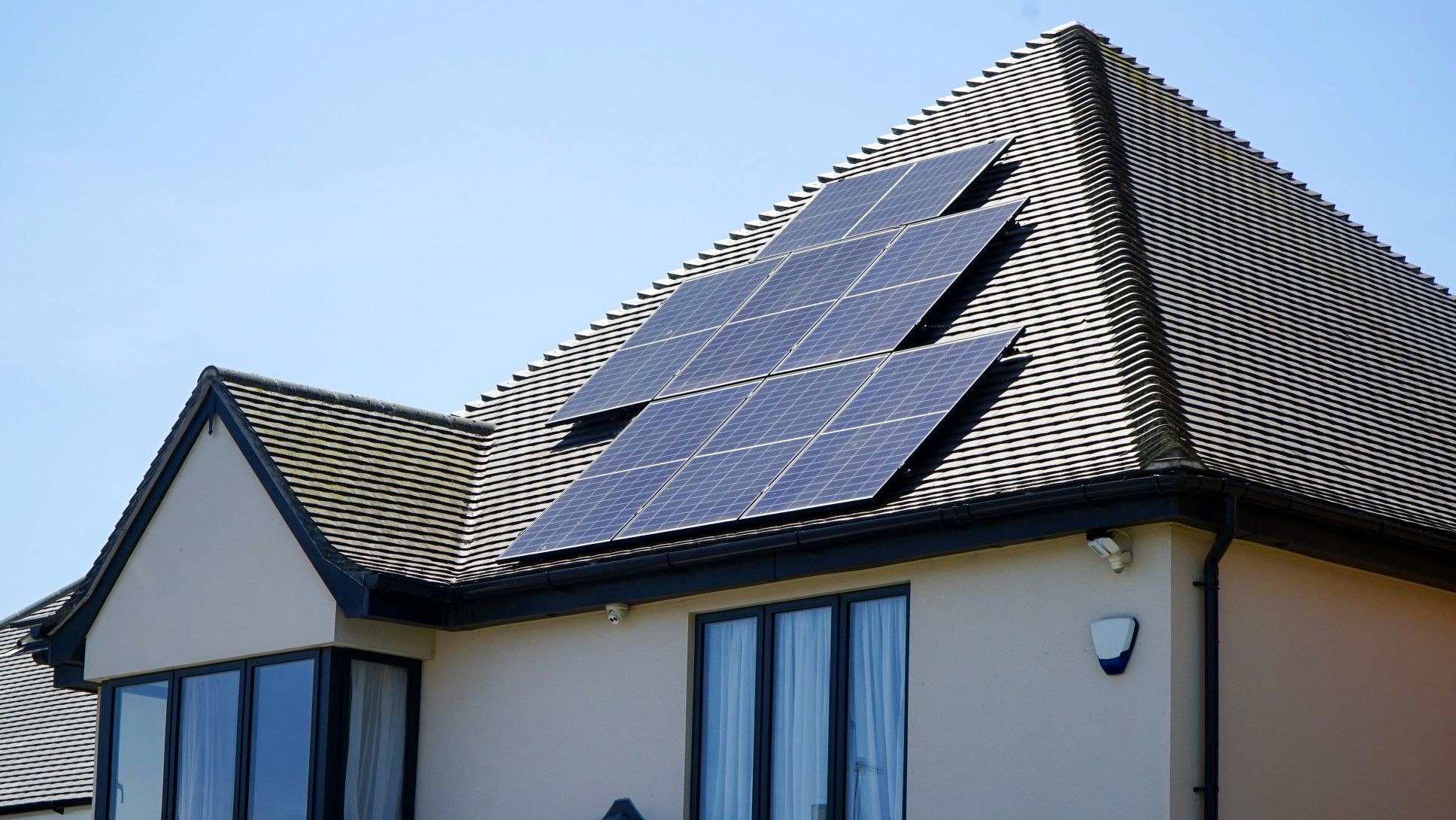
Selling a House with a Solar Panel Lien in Florida: The 2026 Seller’s Exit Guide
Florida’s "Sunshine State" status has led to a massive surge in residential solar installations. However, by 2026, many homeowners are discovering that the solar panels they thought were an asset have become a major legal hurdle. When you find yourself selling a house with a solar panel lien, Florida laws and lender requirements can suddenly halt your progress, often just days before your scheduled closing.
The core issue isn't the technology; it's the financing. Most solar systems in Florida are financed via a solar loan, a lease, or a Power Purchase Agreement (PPA). Each of these creates a UCC-1 fixture filing—a specific type of security interest filed with the state that protects the solar company's claim to the equipment.
At Freedom Cash Home Buyers, we lead with Integrity. We have paid over $70 Million+ to homeowners, specializing in complex title resolutions that traditional Realtors often struggle to navigate. We provide a sight-unseen offer first, giving you the clarity to settle your solar debt at the closing table and walk away with your equity intact.
The 2026 Solar Lien Reality: UCC-1 and Title Clouds
A UCC-1 fixture filing is not a lien against your home's physical structure, but it acts as a "cloud" on the title that prevents a traditional sale from proceeding until it is satisfied. In 2026, major mortgage lenders (FHA, VA, and Fannie Mae) implemented stricter requirements regarding "super-priority" debt. If a buyer's lender identifies a solar lien during the title search, they will typically refuse to fund the loan until that lien is either paid in full or formally subordinated.
The Secondary Effects of Solar Debt on Your Sale
When you are selling a house with a solar panel, Florida property owners often face a cascade of issues that go beyond just the payoff amount:
- The Appraisal Gap: According to 2026 Fannie Mae guidelines, leased solar panels cannot be included in a home's appraised value. This often creates a "valuation gap" where the buyer's loan amount is lower than your asking price, requiring the buyer to bring more cash to the table.
- Buyer Credit Rejection: If a buyer wants to assume your solar lease, the solar company must perform a separate credit check. If the buyer's credit score has dipped during the mortgage process, they may be rejected for the lease transfer, killing the entire deal.
- Debt-to-Income (DTI) Strain: The monthly solar payment is factored into the buyer's DTI ratio. In 2026, with higher interest rates, that extra $150/month solar bill can be the difference between a buyer qualifying for your home or being denied.
Transferring a Solar Lease to a Home Buyer: The 2026 Protocol
If you choose to attempt to transfer a solar lease to a home buyer, Florida regulations and provider contracts require a specific administrative process that typically takes 30 days to complete.
- Notification: You must notify the solar company as soon as you go under contract.
- Assignment Paperwork: Both parties must sign formal assignment documents.
- The "Escalator" Clause: Many 2026 leases include an annual 1% to 3% price increase. Buyers must be made aware of these compounding costs.
The Freedom Solution: Payoff at Closing
Most traditional real estate agents will tell you to "just have the buyer take over the lease." In 2026, this advice often leads to months of frustration and failed contracts as lenders push back.
We "Bring Solutions" by treating the solar lien like any other mortgage or debt that needs to be cleared. When we provide our sight-unseen offer, we calculate the solar loan payoff at closing cost into our final numbers.
- Direct Payoff: We contact the solar provider and settle the full balance at closing.
- Lien Removal: We ensure the UCC-1 fixture filing is terminated, clearing your title once and for all.
- No Repairs Needed: Whether the panels were installed on an aging roof or have structural issues, we buy the property exactly as it sits.
Post-Closing Occupancy: The "Move Later" Standard
Selling a home due to financial pressure is stressful enough without a rushed move-out date. Our Post-Closing Occupancy standard allows you to get paid first and move later. You can receive your cash at the closing table—fully clear of your solar debt—and stay in the home for an agreed-upon period while you finalize your next chapter.
Frequently Asked Questions (FAQ)
Does a solar lien affect my credit score?
Like any financial obligation, failing to meet the terms of a solar loan can negatively impact your credit. However, a successful sale that pays off the lien at closing protects your score.
Can I sell my house if the solar company is out of business?
This is a common issue in 2026. If the original installer is gone, the lien is usually held by a third-party financier. We have the expertise to track down these creditors and clear the title.
What is the difference between a solar lease and a PPA at closing?
In a lease, you pay a fixed monthly fee; in a PPA, you pay for the power the panels produce. Both typically involve a UCC-1 fixture filing that must be resolved before a sale.
Can I move my solar panels to my new house?
While possible, it is rarely cost-effective in 2026. Removal and re-installation can cost $5,000–$10,000 and may void your roof warranty.
Why won't my buyer's bank accept the solar lien?
Lenders want "first priority" on the title. A solar lien is viewed as a competing claim on the property, which increases the lender's risk.
Securing Your Fresh Start Today
Don't let a 20-year solar contract trap you in a home you no longer want. We provide a guaranteed exit for Florida homeowners.
When you are ready to stop the red tape and begin selling a house with a solar panel lien, Florida homeowners trust Freedom Cash Home Buyers to provide a fast, fair, and private solution. Get your sight-unseen cash offer today and turn your solar liability back into liquid equity.