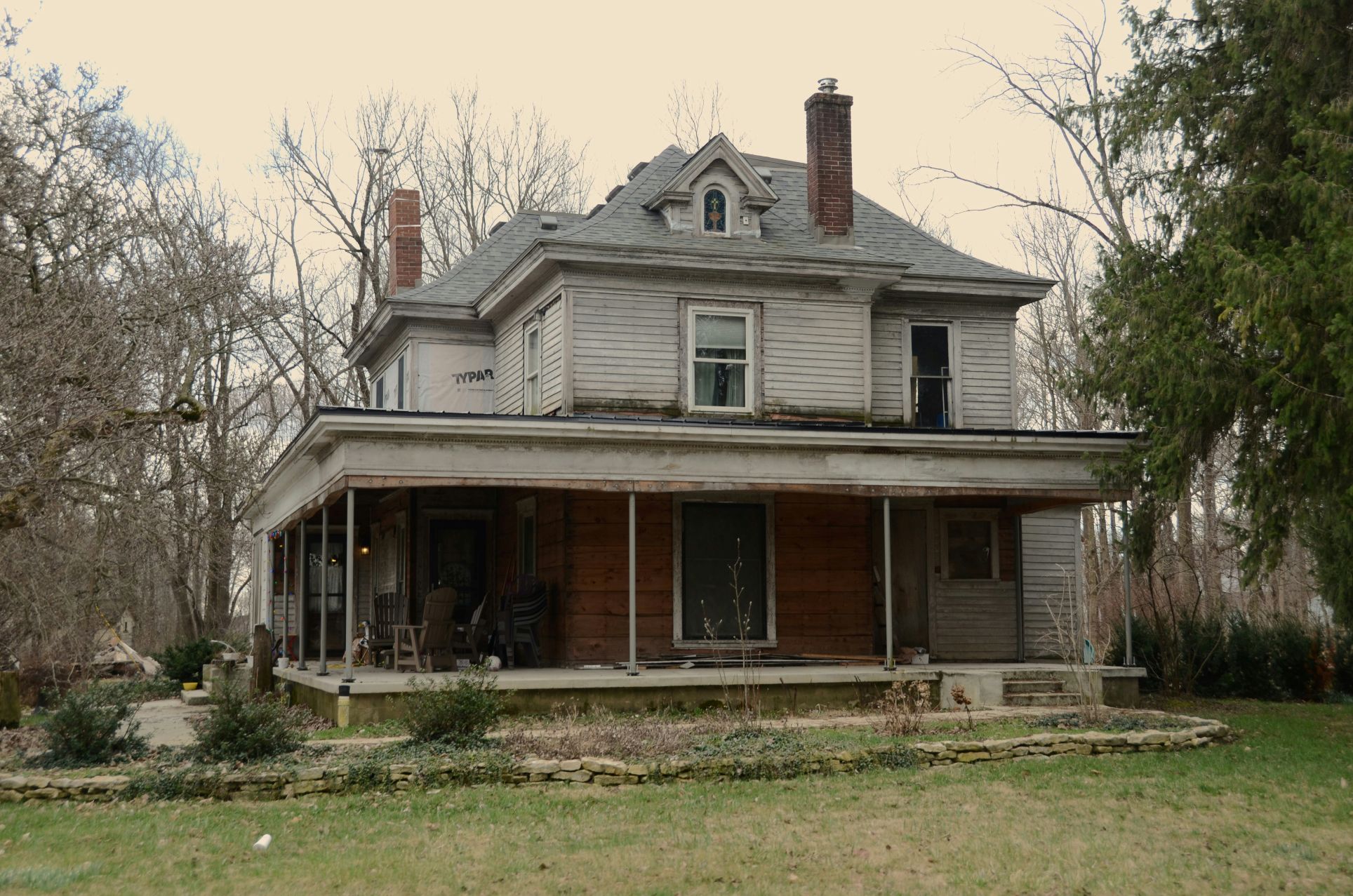
Can You Sell a Condemned House in Florida? Options for an Unsafe or Uninhabitable Property
Yes, a condemned or officially unsafe house may still be sellable in Florida, but the sale does not automatically erase the government order attached to the property.
If a local building department has declared a structure unsafe, uninhabitable, or subject to repair or demolition, the owner may still retain title and may be able to transfer the property to another buyer. However, the buyer generally acquires the property subject to the existing condition, enforcement history, deadlines, liens, and other legal requirements unless those issues are resolved before closing.
That makes a condemned-property sale very different from selling a house that simply needs cosmetic repairs.
A property may have:
- An unsafe-structure notice
- A repair order
- A demolition order
- An occupancy prohibition
- Open permits
- Code violations
- Accruing fines
- Municipal liens
- Structural damage
- Fire or water damage
- Unpermitted construction
- Utility restrictions
- Insurance or financing problems
Florida law allows local governments and building officials to enforce building-safety requirements, and local decisions declaring a structure unsafe can require the property to be repaired or demolished.
At Freedom Cash Home Buyers, we evaluate Florida properties in difficult condition, including homes where major repairs, code issues, or unsafe conditions make a traditional listing more complicated. A direct cash offer can give an owner another option to compare, but Freedom does not override a condemnation order, municipal requirement, title issue, or legal deadline.
Key takeaway: A condemned house is not necessarily unsellable. The central questions are what government order exists, what obligations follow the property, whether title can transfer, and whether the buyer is willing and legally able to take responsibility for the required next steps.
What Does It Mean When a House Is Condemned?
“Condemned” is often used broadly by homeowners, but the exact legal status can vary by jurisdiction.
A property may instead be formally classified as:
- Unsafe
- Uninhabitable
- Dangerous
- Structurally deficient
- Subject to repair
- Subject to demolition
- Prohibited from occupancy
For example, Miami-Dade County maintains an Unsafe Structures process for properties that violate applicable building-safety requirements. Property owners may receive enforcement notices and, depending on the case, may have appeal rights or deadlines for repair or demolition.
Florida law also recognizes circumstances in which structures can be declared unsafe and subject to repair or demolition by local authorities.
The exact terminology matters because a house with an open code violation may be very different from a house that has been formally ordered demolished.
Before selling, obtain copies of the actual notices and orders affecting the property.
Why Would a House Be Declared Unsafe?
A house may be declared unsafe for many reasons.
Common issues include:
- Severe structural deterioration
- Foundation failure
- Roof collapse risk
- Fire damage
- Long-term water intrusion
- Dangerous electrical systems
- Storm or hurricane damage
- Illegal additions
- Work performed without required permits
- Major code violations
- Long-term abandonment
- Partial collapse
- Unsafe balconies or exterior elements
- Damage that creates a danger to occupants or neighboring property
Florida law defines certain serious building-code violations in terms of potential physical harm or significant damage to building systems, and state fire-safety law also recognizes severely dilapidated structures that create dangers to life, safety, or property.
Not every major repair automatically results in condemnation. A local building official or other authorized enforcement agency generally determines whether the condition has reached the level requiring official action.
Is a Condemned House the Same as a House That Needs Repairs?
No.
This distinction is important.
A property needing repairs may still be completely legal to occupy and sell.
A condemned or officially unsafe property has usually entered some form of government enforcement process.
A House Needing Repairs Might Have
- An old roof
- Damaged flooring
- Plumbing leaks
- An outdated electrical panel
- Foundation cracking
- Mold
- Deferred maintenance
A Condemned or Unsafe House May Also Have
- A government notice
- A formal unsafe-structure determination
- Repair deadlines
- A demolition deadline
- Restrictions on occupancy
- Required engineering reports
- Permit requirements
- Municipal enforcement costs
If the issue is primarily structural condition rather than an official condemnation order, Freedom's guide to selling a home with major structural issues is the more relevant resource.
For foundation-specific problems, see how to sell a house with foundation issues.
Can You Legally Sell a Condemned House in Florida?
Potentially, yes.
A condemnation or unsafe-structure designation does not necessarily mean the government has taken ownership of the property.
The owner may still hold legal title and may be able to sell.
But the transaction must account for the existing enforcement action.
The buyer and closing professionals may need to understand:
- The exact government order
- Whether repair or demolition deadlines remain
- Whether fines are accruing
- Whether code-enforcement liens exist
- Whether permits are open
- Whether demolition has already been scheduled
- Whether utilities have been disconnected
- Whether occupancy is prohibited
- Whether title insurance can be issued
- Whether the municipality requires specific action before transfer
Do not assume that changing ownership resets the enforcement process.
In many situations, the property—not merely the current owner—is the focus of the government action.
Does Selling the Property Cancel the Condemnation Order?
Generally, no.
Selling the property does not automatically make an unsafe structure safe or cancel a municipal order.
If an order requires repair or demolition, a new owner may acquire the property with those requirements still affecting it.
That is one reason buyers need to review all available records before closing.
The seller should provide:
- Notices of violation
- Unsafe-structure orders
- Repair or demolition orders
- Hearing notices
- Board or magistrate decisions
- Open-permit information
- Contractor or engineering reports
- Any correspondence with the local building department
Trying to hide an existing order can create much larger problems later.
Can Someone Live in a Condemned House?
Often, occupancy is restricted or prohibited when a structure has been declared unsafe.
The exact restriction depends on the order.
Some cases require the property to remain vacant until repairs are completed and inspected.
Others may involve only part of a structure.
For example, Miami-Dade unsafe-structure cases can include requirements that a building be certified as structurally and electrically safe before continued occupancy or while repairs are pending.
An owner should never assume that selling the house allows someone to move back in immediately.
The local building department determines when occupancy can legally resume.
What Happens If the City Orders the House Demolished?
A demolition order changes the economics of the property significantly.
At that point, the value may be based less on the existing structure and more on:
- Land value
- Zoning
- Redevelopment potential
- Demolition cost
- Debris removal
- Utility connections
- Permitting
- Code-enforcement costs
- Existing liens
- Whether any part of the structure can legally remain
Local authorities can require unsafe buildings to be repaired or removed, and actual enforcement orders may set specific deadlines.
If the deadline is approaching, the owner should not delay obtaining:
- The actual demolition estimate
- Local permit requirements
- Current lien information
- An as-is property valuation
- Legal advice where necessary
- Offers from buyers experienced with severely distressed property
Can a Buyer Take Over the Repair or Demolition Requirement?
Potentially, depending on the local authority and the transaction.
A buyer may be willing to purchase the property understanding that they must:
- Obtain permits
- Hire engineers
- Complete repairs
- Demolish the structure
- Clear the site
- Pay certain fines or costs
- Work with code enforcement
- Complete required inspections
However, that arrangement should be confirmed before closing.
The seller, buyer, title company, and local building department may need to coordinate.
Do not rely only on language in the purchase agreement stating that the buyer “accepts all violations.”
A private contract between seller and buyer does not necessarily control how the government enforces an existing order.
Can You Sell a Condemned House As-Is?
Potentially, yes.
An as-is sale generally means the seller is not agreeing to repair the property before closing.
That can be particularly useful for a condemned property because rehabilitation could involve:
- Engineering reports
- Structural repairs
- Demolition
- Rebuilding
- Permit corrections
- Mold remediation
- Electrical replacement
- Plumbing replacement
- Roof replacement
- Debris removal
- Months of contractor management
But as-is does not mean “without disclosure” or “without government requirements.”
The buyer still needs to understand the property's status.
Freedom Cash Home Buyers can evaluate a property in its present condition, including homes where extensive repairs may not make financial sense for the current owner.
What If the House Has Unpermitted Work?
Unpermitted construction is one potential path into serious code enforcement.
Examples include:
- Converted garages
- Room additions
- Electrical rewiring
- Plumbing additions
- Structural modifications
- Enclosed patios
- Secondary units
- Roof work
- Major renovations
Florida law generally requires permits for construction, alteration, repair, and demolition subject to applicable exceptions and local enforcement procedures.
If unpermitted work is the primary problem, see Freedom's dedicated guide to selling a house with unpermitted work in Florida.
That article should continue to own unpermitted-work search intent, while this page focuses specifically on property that has progressed to unsafe or condemnation status.
What If Code Fines Have Become a Lien?
This is another major issue.
Code enforcement can sometimes result in fines or liens affecting the property.
The title company may discover:
- Municipal liens
- Recorded code-enforcement liens
- Utility balances
- Demolition liens
- Cleanup costs
- Judgments
- Property-tax obligations
- Contractor liens
Those items may need to be satisfied, negotiated, or otherwise handled before title can transfer.
For a deeper explanation of these issues, see Freedom's guide to selling a house with tax liens or judgments.
Also review why clear title matters in a cash sale.
What If the House Was Condemned After a Fire?
Fire damage can make a structure unsafe enough that occupancy is prohibited or demolition is considered.
In that situation, the homeowner may be dealing simultaneously with:
- Fire-department findings
- Building-code enforcement
- Insurance
- Structural engineering
- Cleanup
- Water damage from suppression efforts
- Mold
- Smoke damage
- Open insurance claims
- Permits
A cash sale may be worth comparing if rebuilding is too expensive or the owner does not want to manage the restoration.
Freedom's article about selling houses with fire, water, or mold damage addresses those condition-specific problems in more detail.
Can You Finance a Condemned House?
Traditional mortgage financing can be difficult or impossible for a severely unsafe property.
A lender may have concerns about:
- Habitability
- Structural integrity
- Insurance availability
- Appraisal condition
- Utilities
- Building-code compliance
- Occupancy restrictions
Even if a buyer wants the house, the buyer's lender may refuse to finance it.
This is one reason condemned properties are often marketed to:
- Cash buyers
- Investors
- Builders
- Developers
- Buyers using specialized renovation financing
A cash purchase removes the buyer's traditional mortgage-underwriting requirement, but it does not remove local code enforcement or title requirements.
What If the House Cannot Be Insured?
Unsafe properties can also be difficult to insure.
An insurer may decline coverage or require repairs because of:
- Roof failure
- Structural instability
- Fire damage
- Electrical hazards
- Water intrusion
- Vacant-property risk
- Previous losses
A financed buyer may then have two separate problems:
- The lender requires insurance.
- The insurer will not cover the property in its present condition.
If insurance availability is the primary obstacle, see Freedom's guide to selling an uninsurable house in Florida.
Should You Repair the Condemned House Before Selling?
Sometimes—but not automatically.
Start by determining what the government actually requires.
Suppose the property needs:
- $85,000 in structural repairs
- $20,000 in electrical work
- $15,000 in roof repairs
- $10,000 in permitting and engineering
- Several months of carrying costs
The owner could easily invest more than $130,000 before knowing what the finished house will sell for.
Repairs may make sense if:
- The property has substantial equity
- The required work is clearly defined
- Financing is available
- Contractors are available
- The timeline is manageable
- The finished value supports the investment
- The owner wants to manage the project
Selling as-is may deserve stronger consideration if:
- Repair costs are unpredictable
- Demolition may be required
- The seller lacks renovation funds
- Deadlines are approaching
- The property is vacant
- Insurance is difficult
- The owner lives out of state
- The property was inherited
- Additional violations may exist
Condemned House Repair vs. As-Is Sale
The important comparison is not merely which option creates the highest sale price.
It is which produces the better net result after repair costs, holding expenses, risk, time, and transaction costs.
Freedom's Net Proceeds Test provides a more detailed framework.
How Do Cash Buyers Evaluate a Condemned Property?
A buyer may consider:
- Land value
- Current structural condition
- Repair estimate
- Demolition cost
- Permitting
- Outstanding code requirements
- Existing fines
- Holding costs
- Insurance
- Resale value
- Development potential
- Local demand
- Title problems
- Risk of additional damage
A condemned structure may sometimes have little positive value by itself.
For example, if the land is worth $250,000 but demolishing the existing building and clearing violations costs $55,000, the buyer will likely consider those costs when determining what the property is worth in its current condition.
Freedom explains this broader evaluation process in how cash home buyers calculate their offers.
What Documents Should You Gather?
Before contacting buyers, gather as much information as possible.
Useful documents include:
- Unsafe-structure notice
- Condemnation notice
- Demolition order
- Code-enforcement correspondence
- Hearing notices
- Orders from a code board or magistrate
- Open-permit records
- Engineering reports
- Contractor estimates
- Insurance reports
- Fire reports
- Property-tax records
- Mortgage statement
- Existing surveys
- Prior inspection reports
The clearer the situation is, the easier it becomes to evaluate realistic options.
Should You Contact the Building Department Before Selling?
Yes.
Ask the appropriate local enforcement office:
- What is the property's current status?
- What deadlines apply?
- Is occupancy prohibited?
- What repairs are required?
- Has demolition been ordered?
- Can the order transfer with a sale?
- What permits are necessary?
- Are hearings scheduled?
- Are fines accruing?
- Are there existing liens?
- What must a new owner do after purchase?
Miami-Dade, for example, maintains a dedicated Unsafe Structures process and appeal mechanism for qualifying cases.
Procedures vary across Florida, so the property owner should contact the specific city or county responsible for enforcement.
Should You Speak With an Attorney?
Legal advice may be appropriate when:
- A demolition order has been issued
- An appeal deadline is approaching
- The city has recorded a lien
- Ownership is disputed
- An estate owns the property
- The property is in foreclosure
- Government action has become contested
- The seller does not understand the order
- There are questions about disclosure or contractual responsibility
Freedom Cash Home Buyers is not a law firm and does not provide legal advice.
Can You Sell a Condemned Inherited House?
Potentially, yes.
An inherited house can create two different problems at once:
- The estate must establish who has authority to sell.
- The unsafe property still must be addressed.
The estate may need to determine:
- Who owns the property
- Whether probate is required
- Whether a personal representative has been appointed
- Whether all required signatures are available
- How code fines affect the estate
- Whether sale proceeds are sufficient to pay property obligations
Freedom's guide to selling a house during Florida probate addresses the estate-authority side of that situation.
Traditional Listing vs. Direct Cash Sale
Neither option is automatically best.
A Traditional Listing May Make Sense When
- The unsafe status can be cured economically
- The seller can fund repairs
- The property has substantial equity
- The timeline allows rehabilitation
- The structure can become financeable and insurable
- The expected additional proceeds justify the work
A Direct Cash Sale May Be Worth Comparing When
- The house is officially unsafe
- Major structural work is needed
- Demolition may be required
- The property cannot be occupied
- Traditional financing is difficult
- The owner cannot fund repairs
- Code deadlines are approaching
- The house is vacant
- The owner inherited the problem
- The owner wants to transfer the rehabilitation burden
A direct offer gives the homeowner a concrete alternative to compare against the repair path.
Steps to Take If Your House Has Been Condemned
1. Obtain the Actual Government Order
Do not rely on verbal descriptions.
Get the written:
- Notice
- Case number
- Order
- Deadlines
- Hearing information
2. Determine Whether Occupancy Is Allowed
Do not enter or occupy a building if the government has determined it is unsafe.
3. Identify Repair or Demolition Requirements
Understand exactly what must happen.
4. Determine Whether Fines or Liens Exist
Ask both the enforcement agency and the title company.
5. Estimate the Cost of Compliance
Obtain realistic estimates for:
- Engineering
- Repairs
- Demolition
- Permits
- Cleanup
- Holding costs
6. Estimate the Property's As-Is Value
Consider the land, existing structure, location, code status, and buyer risk.
7. Compare Repairing With Selling
Do not automatically assume repairs create the better financial result.
8. Tell Potential Buyers About the Unsafe Status
Give buyers the documents necessary to understand what they are purchasing.
9. Coordinate With the Closing Company
The title company needs time to identify liens and other obstacles.
10. Continue Responding to Government Deadlines
Do not assume a pending sale stops enforcement activity.
Unless the appropriate agency confirms otherwise, required deadlines remain important.
How Freedom Cash Home Buyers Helps
Freedom Cash Home Buyers can evaluate Florida houses in severely distressed condition, including properties that may be difficult to repair, insure, finance, or market traditionally.
Homeowners can request an offer without first:
- Rehabilitating the structure
- Replacing the roof
- Repairing the foundation
- Updating electrical systems
- Cleaning the house
- Staging the property
- Preparing it for public showings
Freedom can review information about:
- Property condition
- Unsafe-structure status
- Repair or demolition requirements
- Known liens
- Occupancy
- Seller timeline
- Current title issues
If Freedom makes an offer, the seller can compare that offer with the expected expense and timeline of bringing the property back into compliance.
Freedom does not cancel government orders or municipal liens, and some obligations may need to be paid, resolved, assumed, or otherwise addressed before or during closing.
Review How It Works to learn more about the direct-sale process.
A Condemnation Notice Does Not Mean You Have No Options
Receiving an unsafe-structure or condemnation notice can make a homeowner feel trapped.
But the next step is not automatically spending tens of thousands of dollars on repairs.
First determine:
- What the order actually requires.
- Whether the property can legally be sold.
- What fines or liens exist.
- What repairs or demolition would cost.
- What the property is worth in its current condition.
- What it may be worth after rehabilitation.
- Whether the time and financial risk of repairing make sense.
Florida's unsafe-building system is ultimately focused on protecting public safety, and local officials can require unsafe structures to be repaired or removed.
That requirement does not necessarily mean the current homeowner must personally undertake the entire rehabilitation project before exploring a sale.
If selling is the better option, request a free, no-obligation cash offer from Freedom Cash Home Buyers and compare the as-is option with the cost, timeline, and uncertainty of repairing or demolishing the property yourself.
FAQs About Selling a Condemned House in Florida
Can you sell a condemned house in Florida?
Potentially, yes. A homeowner may still own and be able to transfer a property that has been declared unsafe, but the sale does not automatically cancel repair orders, demolition requirements, liens, or other code-enforcement obligations.
Does a condemnation order mean the government owns my house?
Not necessarily. An unsafe-structure or condemnation order can restrict the use of the property and require repair or demolition without transferring ownership to the government.
Does selling the house remove the condemnation order?
Generally, no. A change in ownership does not automatically make the property safe or erase an existing government order. The buyer should understand what requirements remain after closing.
Can I sell a condemned house as-is?
Potentially, yes. An as-is buyer may agree to purchase the property in its current physical condition, but local enforcement requirements, title problems, liens, and legal obligations still must be addressed.
Can someone live in a condemned house?
Often not. An unsafe-structure order may prohibit occupancy until repairs, inspections, or certifications are completed. The specific local order controls whether anyone can legally occupy the property.
What happens if the city orders my house demolished?
The owner may need to repair the structure within the allowed period, demolish it, appeal where permitted, or explore a sale to a buyer willing and legally able to address the order. The exact options depend on the local enforcement action.
Can a buyer take over code violations or a demolition order?
Possibly, but this should be confirmed with the appropriate local authority and closing professionals. A private agreement between buyer and seller does not automatically change the government's enforcement rights.
Can a condemned house qualify for a traditional mortgage?
It can be difficult. Serious safety, habitability, insurance, appraisal, and code-compliance problems can prevent traditional mortgage financing until the property is repaired.
Can Freedom Cash Home Buyers buy a condemned house?
Freedom Cash Home Buyers can evaluate severely distressed Florida properties and determine whether a direct purchase is feasible. Any government orders, liens, title requirements, and closing obligations still must be reviewed and properly addressed.
Should I repair a condemned house before selling it?
Not automatically. Compare the cost of engineering, permits, repairs, demolition, holding expenses, and risk with the property's expected value after rehabilitation and its current as-is value before deciding.